Commercial Moves in Beckenham
Reliable business relocation support for Beckenham companies
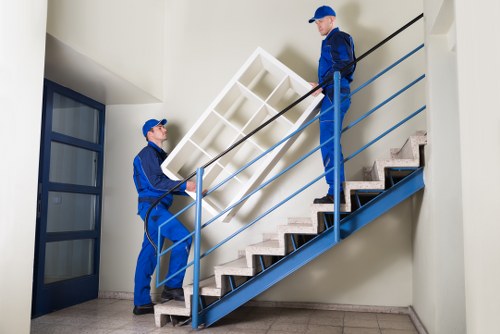
If you are planning Commercial Moves in Beckenham, you probably need more than a van and a few boxes. A business relocation has to be timed carefully, handled with care, and completed in a way that keeps disruption to staff, customers, and day-to-day operations as low as possible. Whether you are moving a small office, a retail unit, a practice, a studio, a warehouse workspace, or a multi-room commercial premises, the process needs structure, local knowledge, and a team that understands how important deadlines are.
Beckenham is a busy and varied part of South East London, with a mix of high street businesses, office spaces, professional services, light commercial premises, hospitality venues, and independent shops. That variety matters when planning a move. Access can be tight in some streets, parking may be limited, and many premises need careful coordination around building rules, loading bays, stair access, and shared entrances. A local commercial removals service can make a real difference because it understands how to work around those practical challenges.
Our approach is designed for real local customers who need a dependable, organised service rather than a rushed one-size-fits-all solution. From the first enquiry through to the final item being placed in the right room or department, the aim is to make your move smoother, safer, and easier to manage. If you need help moving office furniture, IT equipment, stock, archive files, display items, or specialist fixtures, it is worth speaking to a team that handles business removals with care and attention.
Why local business moves need a practical plan

A commercial relocation in Beckenham can involve several moving parts at once. Staff may need to continue working during the move. Clients may still be visiting the premises. Deliveries may be booked. Phones, computers, filing systems, and essential equipment may all need to be disconnected, transported, and reinstalled without creating unnecessary downtime. That is why planning is so important.
Good planning starts with understanding the size and nature of the property. A small office above a shop on the high street will require a different approach from a larger business unit, a clinic, or a trade-related premises near the wider Bromley area. Commercial removals are rarely just about lifting and shifting; they are about sequencing tasks properly so the move happens efficiently and with minimal interruption.
For many businesses, the move is also tied to growth, reorganisation, or a new lease. Sometimes a relocation is driven by the need for more room, better access, or a premises that suits the next stage of the business. Whatever the reason, it helps to have a commercial moving team that can adapt to different types of premises and keep the process structured from start to finish. Contact us today if you are planning a move and want to discuss the practical steps before you book.
What is included in a commercial move?
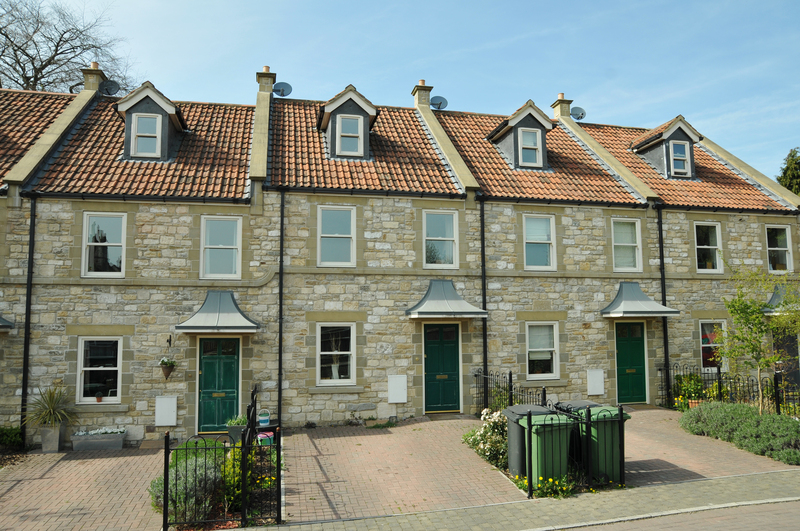
Every business move is different, but most customers want a service that covers the essentials without turning the day into a logistical headache. A typical commercial moving service can include packing support, furniture dismantling and reassembly, careful transport, labelled loading, and placement of items in the correct areas at the new site. The exact scope depends on your building, your schedule, and the type of equipment or stock being relocated.
For many Beckenham businesses, the main priority is keeping operations organised. A well-run move should help you avoid confusion when staff arrive at the new premises. Clear labelling, room-by-room grouping, and a sensible unloading order all help to make the first day in the new location less stressful. It also reduces the chances of boxes ending up in the wrong department or essential items being buried under less urgent ones.
Commercial relocations can also involve protective wrapping for furniture, careful handling of screens and monitors, and attention to fragile items such as artwork, glass partitions, sample stock, or specialist tools. If your business has items that need extra care, it is sensible to make those known early. Book your service now if you would like a move arranged around your working hours, your building access, and your preferred schedule.
Common items handled during business moves
- Office desks, chairs, and storage cabinets
- Conference tables and meeting room furniture
- Computers, monitors, printers, and peripherals
- Archived files, document boxes, and records
- Retail fixtures, shelving, and display stands
- Stock, supplies, and packaged goods
- Reception furniture and waiting area items
- Light equipment, tools, and specialist workplace items
How commercial moves in Beckenham are usually arranged

Most customers prefer a move process that feels straightforward and easy to follow. That is especially true when a business is already busy and cannot spare much time for back-and-forth planning. A practical commercial removals process usually begins with an initial discussion about what needs moving, where the items are located, and how soon the relocation must happen.
After that, the move can be organised around access times, the number of movers needed, any packing support required, and the layout of the current and new premises. In Beckenham, this is particularly useful because properties vary widely. Some businesses are on narrower streets with limited loading options. Others may be in mixed-use buildings where stair access, lifts, or shared corridors need to be considered carefully. Local knowledge helps reduce delays and surprises on the day.
On moving day, the team should arrive prepared with the right equipment for safe handling and transport. Once the move is underway, the emphasis should stay on order, communication, and care. If your business needs everything placed into specific rooms or zones, that can be handled as part of the plan. If you would rather prioritise essentials first and deal with the rest later, that can be arranged too.
Typical stages of a business relocation
- Initial enquiry and discussion of requirements
- Assessment of access, schedule, and property type
- Planning the packing, loading, and transport order
- Careful collection from the existing premises
- Safe delivery and placement at the destination
- Optional reassembly and set-up support
Local relevance: why Beckenham businesses benefit from a nearby team

Using a local team for Commercial Moves in Beckenham has practical advantages. The area’s combination of commercial streets, residential roads, and busy commuter links means timing matters. A mover who understands the local layout is better placed to plan around access issues, busy periods, and building constraints. That is especially useful when you need to move early, avoid peak disruption, or work within a limited handover window.
Beckenham also serves a mix of different business types. Independent retailers, salons, cafés, offices, consultants, educational services, healthcare-related practices, and trade businesses all have different relocation needs. A single small office may need speed and precision. A customer-facing shop may need care around stock and fixtures. A larger business may need staged relocation to keep part of the operation running. Local experience helps tailor the move to the reality of your premises rather than forcing your business into a rigid process.
Nearby areas such as Penge, Shortlands, Bromley, Elmers End, West Wickham, Crystal Palace, and parts of South Norwood can also present similar moving challenges, especially where parking, access, and loading space are limited. If your business operates across these nearby locations, it helps to choose a team that already understands the wider local area and can plan routes and timing accordingly. That can save stress on move day and make coordination much easier for everyone involved.
Local advantages that matter to business owners
- Better understanding of local roads and access points
- Practical awareness of parking and loading restrictions
- More flexible scheduling for nearby collections and deliveries
- Useful for mixed commercial and residential streets
- Suitable for businesses moving within Beckenham or to nearby districts
Types of commercial customers we help
Commercial moves are not limited to large offices. In fact, some of the most time-sensitive moves involve smaller businesses that still need everything done carefully and quickly. A compact office with a few staff members may need the same level of organisation as a bigger workplace, just on a smaller scale. The same applies to shops, practices, and service businesses that rely on smooth transitions to avoid losing working time.
We often see moves where the premises type shapes the entire plan. A ground-floor retail unit may need a fast turnaround between closing and reopening. A professional office may need file security and careful IT handling. A studio or workshop may need fragile materials, tools, or equipment wrapped and placed in sequence. A hospitality business may need furniture, appliances, and stock handled so the new site is ready to set up quickly.
Commercial moves in Beckenham can also involve temporary storage needs, phased relocation, or a move that happens outside normal working hours. If your business has a narrow window to vacate a property, it is wise to discuss those deadlines early so a sensible plan can be created. The more detail you provide at the start, the easier it is to avoid unnecessary delays later.
Examples of customers who may need business removals
- Small and medium-sized offices
- Retail shops and high street traders
- Clinics, therapy rooms, and professional practices
- Studios, agencies, and creative businesses
- Light industrial or trade-related premises
- Hospitality venues and food-service businesses
- Charities, community organisations, and education providers
What to prepare before your move
Preparation is one of the simplest ways to make a commercial relocation feel less overwhelming. Even when you are using professional movers, there are a few practical things your team can do in advance to keep the process efficient. Good preparation can also reduce the chances of important items being misplaced or delayed during the transfer.
Start by identifying the items that must be moved first. These are usually the essentials needed to restart work quickly, such as computers, phones, key documents, or reception furniture. Then think about what can be packed in advance and what should be left until the last day. A labelled system works well for most businesses, especially if several staff members are involved in packing their own work areas.
It is also useful to nominate one person who can answer questions on move day. This avoids confusion if the moving team needs to clarify where something should go, which items are fragile, or which areas must be kept separate. Clear instructions save time and help keep the move calm and organised.
Simple preparation checklist
- Label boxes by room, department, or function
- Back up digital files before disconnecting equipment
- Set aside important documents and items that need priority handling
- Empty personal items from desks and storage areas
- Notify staff of the moving schedule and packing deadlines
- Arrange building access, keys, and any required permits or permissions
- Separate items that will not be moving to the new premises
How to reduce downtime during a business relocation
For many business owners, the biggest concern is not the physical move itself but the effect it has on trading, appointments, and productivity. Downtime can be costly in practical terms even when it is short. That is why commercial moving services should be planned with your workflow in mind. The best relocations are often the ones that allow business to resume as quickly as possible.
There are several ways to reduce interruption. Some businesses choose to move in phases, shifting non-essential items first and leaving core operations until the final stage. Others prefer an evening or weekend move so staff can return to a ready space the next working day. In some cases, a split move works well, where part of the team moves in advance and the rest follows once the new site is ready.
Careful labelling, early packing, and clear room assignments also help. If your business relies heavily on computers, telephones, or internet-connected equipment, it is worth planning the order of disconnection and reconnection in advance. Businesses that serve customers in person may also want to think about signage, display layout, and customer access at the new site so the transition feels professional from the first day.
Access, parking, and property challenges in Beckenham
One of the reasons local knowledge matters for Commercial Moves in Beckenham is that commercial premises are often located in areas where access needs a bit of thinking through. High street locations can be busy, and side roads may have tighter parking or shared use with nearby residents. Some buildings have limited frontage space, meaning loading and unloading need careful timing. Others are in mixed-use blocks where lifts, stairwells, or building management rules need to be considered.
These are the kinds of details that can cause delays if they are not addressed before moving day. A business move should not rely on guesswork. It is better to look at the route from vehicle to door, the width of entrances, the availability of lift access, and whether a hand trolley or furniture protection will be needed. Local teams that regularly work in the area are usually better positioned to anticipate those practical issues.
Properties across and around Beckenham can also vary in age and layout. Some commercial spaces are modern and straightforward, while others involve older buildings, upper floors, or awkward internal layouts. That does not mean a move is difficult; it simply means it should be planned properly. When access is tight, an organised approach becomes even more important.
Helpful access considerations
- Where the vehicle can stop for loading or unloading
- Whether the premises have stairs, lifts, or narrow corridors
- Any building rules for moving times or protection of common areas
- How fragile items will be carried safely
- Whether parking arrangements need to be sorted in advance
What affects the cost of a commercial move?
Most business owners want to understand what drives the cost of a move before they commit. Because every relocation is different, pricing depends on the size and complexity of the job rather than a fixed formula. The main factors are usually the amount of furniture and equipment, the number of movers required, the distance between locations, and how much packing, dismantling, or reassembly is needed.
Access can also affect the overall workload. If items need to be moved from an upper floor, carried through a narrow building, or loaded from a restricted location, extra time may be needed. Equally, if your business needs an out-of-hours move or a timed start, that can influence scheduling. The key point is that a clear description of your premises and contents will help you get a more accurate quote.
Some businesses also choose optional support such as packing assistance, crate supply, or staged relocation. These choices can improve efficiency and reduce pressure on staff, especially if the move is happening alongside day-to-day work. If you are comparing options, make sure you are comparing like for like. A quote that appears cheaper at first may not include the services that actually matter to your business.
Pricing factors to consider
- Size of the premises and volume of items
- Whether packing and unpacking are included
- Need for furniture dismantling or reassembly
- Access challenges at either location
- Distance and travel time
- Timing requirements, such as evenings or weekends
- Special handling for fragile or heavy items
Why choose a local commercial removals company?
Choosing a local company for business removals is often about more than convenience. It is about working with a team that understands the area, responds quickly, and can plan around the realities of local roads and property layouts. That kind of familiarity can make a noticeable difference when your move has to be completed on a tight schedule.
A local removals team is also easier to coordinate with before the move. If there are site visits, access questions, or changes to the moving plan, local support tends to be more responsive and practical. This matters when your business cannot afford unnecessary delays. It also helps when you need a move tailored to the exact type of premises you are leaving and entering.
For businesses in Beckenham, the value of local experience is clear. The area has a blend of shopping streets, residential-adjacent commercial spaces, and offices that may not all offer straightforward loading. A team that has handled commercial relocations locally is more likely to recognise these patterns and plan accordingly. That can make the entire process feel easier, safer, and more predictable.
Reasons local customers often prefer a nearby team
- Faster response and easier planning
- Better understanding of local access constraints
- More practical scheduling around busy roads and parking
- Suitable for businesses moving within Beckenham or nearby areas
- Less disruption caused by unfamiliar routes or building layouts
Areas covered around Beckenham
Many customers look for business relocation support not only in Beckenham itself but also in the surrounding areas. That is especially true for companies moving between neighbouring commercial districts or relocating into nearby premises across South London and Kent borders. A local mover can usually support collections and deliveries across a wide area, depending on the job requirements.
Nearby places commonly associated with Beckenham business moves include Penge, Shortlands, Bromley, Elmers End, West Wickham, Crystal Palace, Anerley, and South Norwood. Each area has its own mix of access conditions, road patterns, and property types, so a flexible and experienced approach is useful. If your old office is in one place and your new workspace is in another, the move should be planned with both ends of the journey in mind.
Whether you are moving across the road, across town, or into a neighbouring district, the same principles apply: protect your assets, manage access carefully, and keep the move well organised. If your business serves local customers in person, it can also help to choose moving times that minimise disruption to your opening hours and customer access.
Frequently asked questions about commercial moves
Business owners often have similar questions when they start planning a move. Below are some of the most common ones, answered in a practical way so you can decide what type of help you need. If your own situation is more complex, it is usually best to discuss the details early rather than leaving everything until moving week.
Can you help with both small and larger business moves?
Yes. Commercial relocations can range from compact offices and small retail units to larger workplaces with multiple departments. The approach changes depending on the volume of items, access, and the time available, but both small and larger moves benefit from proper planning.
Can my staff pack some items themselves?
Absolutely. Many businesses prefer staff to pack personal items, desk contents, or non-essential paperwork while movers handle the heavy lifting and transport. A mixed approach often works well because it keeps the move efficient while allowing your team to stay involved where it makes sense.
Do commercial moves need to happen outside working hours?
Not always, but many businesses prefer evenings, weekends, or quieter periods to reduce disruption. The right timing depends on your operating hours, building access, and how quickly you need to restart work at the new premises.
What if we have fragile equipment or important documents?
Those items should be identified early so they can be packed and handled appropriately. Sensitive items, fragile electronics, and important records often need extra attention, careful labelling, and a clear plan for who is responsible for them.
Can you move us within Beckenham and also to nearby areas?
Yes. Many business moves involve local relocations within Beckenham as well as moves to surrounding areas such as Bromley, Penge, and West Wickham. Local route knowledge can be especially useful when the schedule is tight.
How far in advance should I arrange a commercial move?
The sooner you start planning, the better. That said, some moves are organised on shorter notice due to lease deadlines or business changes. If you have a firm date, it is sensible to make contact as early as possible so availability and logistics can be discussed.
Get your business move underway
When a relocation is handled properly, it can feel much less disruptive than many business owners expect. The key is to keep the process organised, communicate clearly, and work with a team that understands both the practical and commercial side of moving. For companies planning Commercial Moves in Beckenham, that means choosing support that is careful, flexible, and locally aware.
Whether you are moving a small office, a retail unit, a customer-facing practice, or a larger commercial space, the right moving service can help you stay focused on running your business while the relocation is handled efficiently. From preparation and packing to transport and placement at the new premises, each stage should be handled with care.
If you are ready to take the next step, request a free quote or contact us today to discuss your move requirements. If you have access restrictions, timed deadlines, or special handling needs, mention them early so the move can be planned properly. Book your service now and make your Beckenham business relocation feel more manageable from the start.